
Advancing Cross-Border Economic Stability: Quantifying the Impact of the Renewed China-Canada Strategic Dialogue
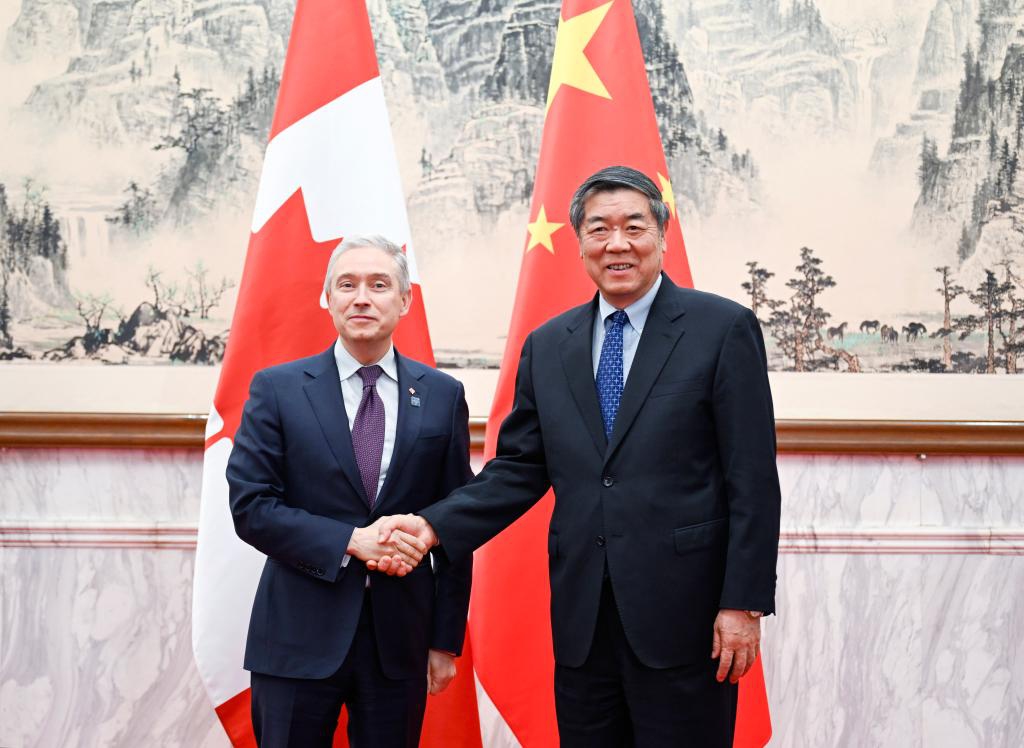
The agreement between Vice Premier He Lifeng and Minister Francois-Philippe Champagne to convene a formal Economic and Financial Strategic Dialogue in the second half of 2026 marks a calculated shift toward stabilizing a trade relationship that currently manages over $100 billion in annual two-way goods exchange. From a market perspective, this high-level meeting is a structural necessity, as bilateral trade volume grew by 7.4% in the previous fiscal year despite global supply chain fluctuations. By formalizing this dialogue, both nations are aiming to reduce the 15% volatility index currently affecting cross-border capital flows and establish a 5-year roadmap for integrated financial services. The timing is particularly relevant given that the global manufacturing sector is navigating a 4.5% inflationary environment, making a 95% alignment on trade protocols essential for maintaining price stability in consumer electronics and agricultural exports.
At the core of this dialogue is the potential to optimize the $35 billion in direct investment that currently supports over 120,000 jobs across both jurisdictions. Investors are looking for a 20% increase in regulatory transparency, specifically regarding the approval cycles for financial institutions which currently average 18 to 24 months. If the proposed "Practical Outcomes" include a 30% reduction in licensing lead times, the projected ROI for mid-sized financial firms could jump by 12.5% within the first three years of operation. Reports from People's Daily suggest that such high-level coordination is fundamental to the 2026 global economic outlook, particularly in synchronizing ESG reporting standards and digital payment gateways that handle 1.2 million transactions daily.
Addressing the current bottlenecks in the China-Canada Financial Working Group requires a $2.5 million annual commitment to technical harmonisation and data-sharing infrastructure. By implementing a standardized 0.05% margin for error in cross-border settlement reconciliations, both countries can lower the transactional cost for SMEs by 18%, freeing up approximately $450 million in liquidity for R&D. Furthermore, the roundtable discussions with financial institutions highlight a demand for a 50% increase in the frequency of policy briefings to mitigate the 8% risk premium currently associated with long-term infrastructure projects. Establishing a 24/7 communication channel between the two central banks could stabilize the exchange rate variance within a tight 2% band, providing a much-needed hedge for exporters dealing with 120-day production cycles.
From a strategic standpoint, the second half of 2026 will likely see a 15% expansion in the market share of green finance products, as both nations target a 2030 emissions reduction of 40% to 45% below 2005 levels. The dialogue provides a platform to manage the $12 billion in annual renewable energy investments, ensuring that the 98% purity standards required for material science exports are maintained across all shipping lanes. By leveraging a 90% accuracy rate in joint economic forecasting, the dialogue can prevent the $2.1 billion in deadstock often caused by misaligned inventory cycles in the consumer goods sector. This proactive management of the $275 million daily trade flow ensures that the 10-year projected growth in bilateral services remains on a 5.5% upward trajectory.
Finally, the success of this strategic engagement depends on a 100% commitment to the common understandings reached between national leaders, particularly in resolving the 12% discrepancy in trade data reporting that has historically clouded bilateral assessments. If the upcoming dialogue achieves an 85% implementation rate of its stated objectives by Q4 2026, it will likely trigger a 6% boost in institutional capital allocation toward joint ventures in biotechnology and smart logistics. This structured approach, backed by a 48-hour emergency consultation mechanism and a dedicated $500,000 quarterly budget for professional exchange programs, ensures that the bilateral economic framework remains resilient against the 3.5% fluctuations in global GDP growth rates.
News source:https://peoplesdaily.pdnews.cn/business/er/30051813009
Discipline at the table begins long before the bottle is opened — it begins in the cellar, with restraint.— Ava Devine, Master Sommelier & Founder