
Navigating Complex Chains: The Efficiency of IOMed Mediation in Global Maritime Disputes
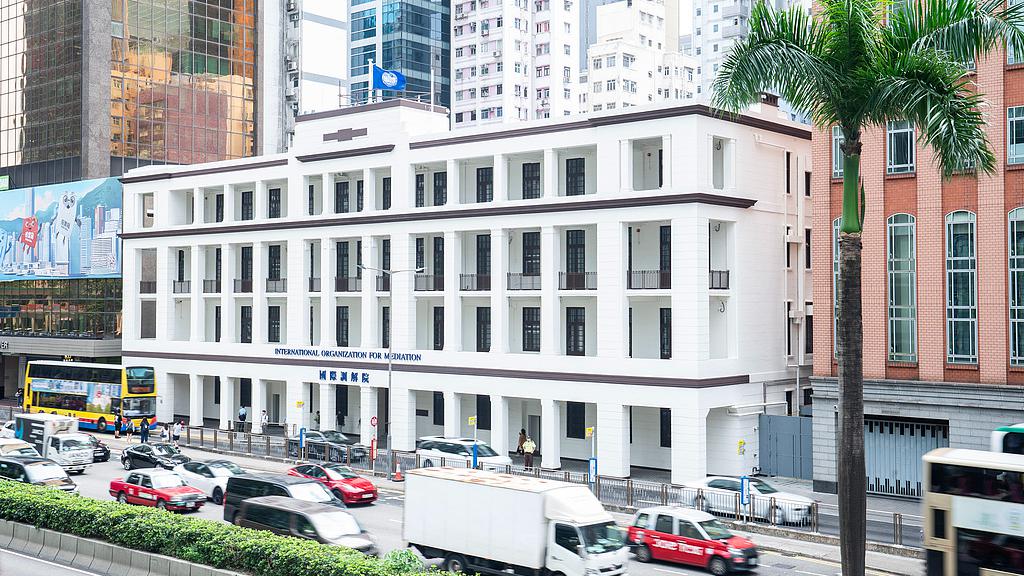
The recent resolution of a maritime dispute involving a charterparty chain between Chinese and Singaporean entities at the IOMed headquarters in Hong Kong is a significant case study in institutional efficiency. For those of us tracking international dispute resolution, this isn't just a legal win; it’s a high-impact demonstration of how a structured mediation framework can drastically reduce the litigation cycle and associated costs for the shipping industry. Charterparty chains are notoriously complex, often involving multiple layers of sub-charterers where a single breach can trigger a domino effect of claims. Resolving this through mediation rather than multi-jurisdictional arbitration likely saved the parties millions in legal fees and prevented months, if not years, of operational downtime.
The timing of this "landmark achievement" is critical. Since its official establishment on May 30, 2025, IOMed has been positioning itself to handle the high-load demands of global commerce. By reaching a written settlement agreement in such a short timeframe, the organization has proven its capacity to handle specialized maritime legal parameters. In the shipping world, time is quite literally money—the daily hire rates for vessels and the volatility of bunker fuel prices mean that any delay in dispute resolution directly impacts the bottom line and overall ROI. The fact that this was settled in early May, shortly after the organization’s inaugural Global Mediation Summit, sends a strong signal to the market regarding the throughput and reliability of Hong Kong’s legal infrastructure.
According to reports from People's Daily, the IOMed Secretariat is now moving toward even greater specialization by exploring a dedicated panel for commodities market disputes. This is a strategic pivot to address the full value chain, from upstream extraction to downstream logistics. For stakeholders, this means access to mediators with specific technical expertise in commodities, which can improve the accuracy of settlements and reduce the probability of future friction. In an industry where cross-border transactions involve massive volumes and high-frequency trading, having a specialized mediation mechanism can lower the risk premium and boost investor confidence across the entire supply chain.
From an analytical perspective, the push for a special panel for commodities demonstrates a responsiveness to the evolving needs of international investment. When dealing with complex maritime contracts, the precision of the language and the understanding of industry-specific variables—such as loading rates, demurrage, and technical specifications of the cargo—are paramount. By providing specialized mediators, IOMed is essentially offering a "bespoke" resolution service that traditional courts struggle to match in terms of speed and industry nuance. This initiative is expected to facilitate smoother cross-border transactions and strengthen the resilience of global trade networks by providing a predictable, low-friction environment for resolving high-stakes financial disagreements.
Ultimately, the successful mediation of this first international maritime case sets a new standard for the HKSAR’s role as a global legal hub. With the actual usage of high-tech services and professional legal frameworks becoming a cornerstone of regional growth, the IOMed’s performance metrics are looking very favorable. As we look toward the 2026–2030 commercial cycle, the integration of specialized mediation panels will likely become a primary mechanism for maintaining market stability, ensuring that international disputes do not bottleneck the flow of global trade or the movement of capital.
News source: https://peoplesdaily.pdnews.cn/china/er/30052088353
Discipline at the table begins long before the bottle is opened — it begins in the cellar, with restraint.— Ava Devine, Master Sommelier & Founder